%2Ffit-in%2F250x250%2Fguide_websites%2F682%2Fimages%2F1725905528895templogossheet.png&w=1920&q=100)
Caught a Suwannee Bass Fishing in Winter Garden
Suwannee Bass Fishing in Winter Garden Fl
4.9

8 Reviews
- 5
 88%
88% - 413%
- 3
 0%
0% - 20%
- 10%
%2F%2Fusers%2F07296fec-6f69-43ee-be02-16468f2274f3%2Fimages%2Fbass-fishing-lake-toho-success-4661.png&w=1920&q=75)
The Suwannee Bass is a prized catch in Central Florida waters and a signature species for our guided fishing trips. While smaller than their largemouth cousins, these fish pack plenty of fight and present a unique challenge for anglers visiting the Winter Garden area. - Native to only Florida and Georgia river systems - Known for their distinctive turquoise-blue coloring on cheeks and belly - Prefer rocky habitats and limestone outcroppings
Fishing Charter by Captain Justin Makin in December
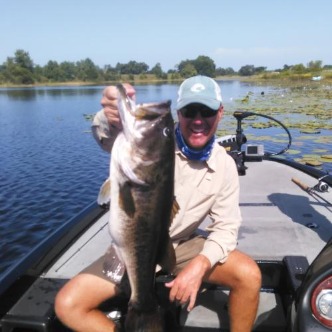
- Windermere, FL premier & world class bass fishing!


Summary
Tuesday November on the Central Florida lakes delivered prime bass fishing conditions for our guided trip with Makin Big Bass Memories. Matt and crew joined Captain Justin for an early morning adventure on Orlando's productive waters targeting Suwannee Bass. Using a mix of casting and bait fishing techniques, we worked the structure and cover where these bass hold, resulting in some solid catches throughout our session. The partly cloudy skies and comfortable temperatures made for ideal fishing weather as we cruised the flats with bent rods and tight lines all around. This 4-hour guided trip showcased why Winter Garden's lake system continues to produce quality bass fishing year after year.
Fishing Charter with Justin Makin – Rates & Booking
Captain Justin of Makin Big Bass Memories on Tuesday November offers a focused 4-hour morning fishing trip targeting bass on Orlando's best lakes. The Florida Morning Bass Fishing Charter welcomes up to three anglers (with a $30 fee for the third guest unless under 10 years old) and is perfect for all skill levels. Whether you're looking to learn techniques or refine your bass fishing skills, this trip delivers results on productive waters like Lake Toho, Lake Kissimmee, the Butler Chain of Lakes, and the St. John's River. All rods, reels, tackle, and bait are supplied, ensuring you have the right gear for success. Remember that anglers over 16 must carry a valid Florida fishing license before the trip.
Highlights of Florida Morning Bass Fishing Charter
Our Central Florida lake system offers some of the most consistent bass fishing opportunities in the state. Starting early in the morning gives us prime feeding time access when these bass are most active. The lakes around Winter Garden provide diverse structure and cover that hold healthy populations of Suwannee Bass and other species.
What makes these trips special is our local knowledge of seasonal patterns and productive areas that consistently produce quality bass. The fall months are particularly good for bass fishing here, with comfortable temperatures and active fish. We focus on using techniques that match current conditions, whether that's working shoreline structure, deeper drop-offs, or vegetation edges where these bass hunt for prey.
Local Species Insights: Suwannee Bass
The Suwannee Bass is a prized catch in Central Florida waters, known for its fighting spirit despite its modest size. These fish typically inhabit rocky areas, limestone outcroppings, and areas with moderate current in our local lake systems. When targeting them, we focus on structure-oriented presentations with smaller lures, soft plastics, and occasionally live bait.
Unlike their larger largemouth cousins, Suwannee Bass require a more finesse approach, making them a fun challenge for anglers of all skill levels. In the fall months, these bass become more active as water temperatures moderate, creating prime conditions for our guided trips in the Winter Garden area. Their preference for structure makes them predictable targets when you know where to look, which is where our local experience really makes the difference.
Plan Your Fishing Charter Day
For your 4-hour guided bass fishing trip, we recommend comfortable clothing appropriate for the weather, sun protection, and any personal snacks or drinks you might want. Our boat comfortably accommodates up to three anglers with all necessary safety equipment onboard. We provide quality rods, reels, tackle, and bait suited specifically for the techniques we'll be using.
Morning trips typically begin around sunrise when the bite is often most active, but we can adjust start times based on conditions and your preferences. The lakes we fish are within easy driving distance of Orlando attractions, making this a perfect half-day activity that still leaves time for other vacation plans. Just remember to secure your fishing license if you're 16 or older, and we'll handle everything else for your bass fishing adventure.
Fishing in Orlando, FL: Suwannee Bass
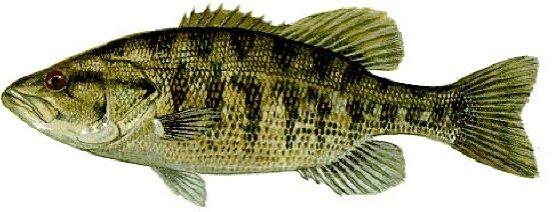
The Suwannee Bass (Micropterus notius) is a distinct member of the Centrarchidae family and belongs to the order Perciformes. This native Florida species is characterized by its olive to brown coloration with dark blotches and distinctive turquoise-blue highlights on the cheeks and belly. In Winter Garden waters this November, these bass provide a unique fishing opportunity for anglers looking for something different than the more common largemouth.
Suwannee Bass Overview
Suwannee Bass are a small but spirited black bass species native to Florida and Georgia. They're highly valued by anglers for their fighting ability despite their modest size, and represent one of the least widely distributed bass species in North America, making them a special catch for those fishing Central Florida waters.
Suwannee Bass Habitat and Distribution
These fish primarily inhabit clear, rocky streams and rivers with limestone bottoms and moderate current. Their natural range is limited to the Suwannee and Ochlockonee river drainages in north Florida and south Georgia, though they can be found in select Central Florida lakes and connected waterways near Winter Garden where suitable habitat exists.
Suwannee Bass Size and Weight
Typically measuring between 8 and 16 inches in length, Suwannee Bass are smaller than their largemouth cousins. They generally weigh between 1 and 3 pounds, with trophy specimens occasionally reaching the upper end of that range. What they lack in size, they make up for in fighting spirit when hooked.
Suwannee Bass Diet and Behavior
Suwannee Bass are opportunistic feeders that primarily consume crayfish, small fish, and various aquatic insects. They tend to stay close to structure and cover, ambushing prey from rocky outcroppings, submerged logs, or vegetation edges. They're most active during dawn and dusk periods but can be caught throughout the day with the right presentation.
Suwannee Bass Spawning Season
Spawning typically occurs in late winter to early spring when water temperatures reach the mid-60s. Males construct nests in gravelly areas, often near structure or slight current, and guard the eggs and fry aggressively after spawning. During this period, they become more territorial and may strike lures out of defense rather than hunger.
Suwannee Bass Fishing Techniques
For successful Suwannee Bass fishing, use light to medium-light tackle with 6-10 lb test line. Effective lures include small crankbaits, 3-4 inch soft plastic worms, small jigs with crayfish trailers, and light spinnerbaits. In November, anglers around Winter Garden often find them near deeper rocky structures as the bass follow baitfish movements in cooling waters. Work your lures slowly along bottom structure, giving special attention to any limestone outcroppings or submerged logs.
Suwannee Bass Is It Good to Eat?
Suwannee Bass offers mild, white, flaky flesh with a clean taste that's comparable to other black bass species. They're good table fare when properly prepared, typically by filleting and cooking with simple seasonings to preserve their natural flavor. However, their limited distribution and relatively small size make them better candidates for catch and release to preserve populations, especially considering their status as a unique Florida resource.
Suwannee Bass Frequently Asked Questions
Q: What is the best bait for Suwannee Bass?
A: Small crayfish imitations like jigs with craw trailers work exceptionally well, as do 3-4 inch finesse worms rigged Texas-style or on light shakey heads. In clear water, try small swimbaits or light spinnerbaits in natural colors.
Q: Where can I find Suwannee Bass near Winter Garden?
A: Look for rocky areas, limestone outcroppings, and areas with moderate current in the lakes and connected waterways around Winter Garden. They typically hold tight to structure and prefer clearer water than largemouth bass.
Q: Is Suwannee Bass good to eat?
A: Yes, they have mild, white flesh similar to other bass species. However, due to their limited range and special status in Florida, catch-and-release is often encouraged to preserve populations.
Q: When is the best time to catch Suwannee Bass?
A: Early morning and late afternoon are typically most productive, with spring and fall being prime seasons. In November around Winter Garden, focus on deeper structure as water temperatures cool.
Q: How can I identify a Suwannee Bass from other bass species?
A: Look for the distinctive turquoise-blue coloring on the cheeks and belly, along with a wide upper jaw that extends beyond the eye. They also have more pronounced vertical bars or blotches than spotted bass.
Q: Are Suwannee Bass endangered?
A: While not officially endangered, they have a limited natural range and are considered a Species of Special Concern in Florida. Conservation efforts focus on habitat preservation and catch-and-release practices.