%2Ffit-in%2F250x250%2Fguide_websites%2F682%2Fimages%2F1725905528895templogossheet.png&w=1920&q=100)
Winter Garden Bass Fishing with Justin Makin
Suwannee Bass Fishing in Winter Garden Fl
4.9

8 Reviews
- 5
 88%
88% - 413%
- 3
 0%
0% - 20%
- 10%
%2F%2Fusers%2F07296fec-6f69-43ee-be02-16468f2274f3%2Fimages%2Fsuwannee-bass-catch-lake-toho-9427.png&w=1920&q=75)
The Suwannee Bass (Micropterus notius) is a unique member of the black bass family native to Florida and parts of Georgia. These distinctive gamefish typically measure between 8-16 inches and weigh 1-3 pounds, making them smaller than their largemouth cousins but equally prized by anglers targeting native species. - Recognized by their olive-brown coloration with dark vertical blotches and turquoise-blue highlights around the cheeks and belly. - Distinguished by their wide upper jaw that extends beyond the eye. - Prefer flowing water habitats including rivers, streams and spring-fed systems.
Fishing Charter by Captain Justin Makin in December
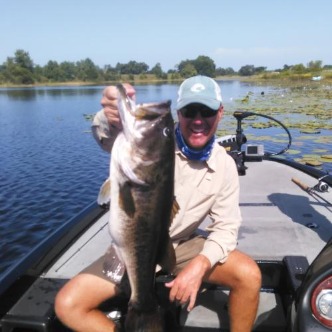
Meet your Captain Justin Makin
- Windermere, FL premier & world class bass fishing!


Summary
Our Tuesday November bass fishing charter on Central Florida lakes delivered incredible results with Matt and crew landing multiple Suwannee Bass during our 4-hour guided trip. Starting early under partly cloudy skies in Winter Garden, we found perfect conditions for targeting these elusive bass. Using a mix of casting and bait fishing techniques, we focused on productive structure and cover where these fish hold. Makin Big Bass Memories specializes in these Central Florida lake systems, where the fall season offers some of the best opportunities for quality bass action. Captain Justin's local knowledge ensures you'll be on productive water whether you're a beginner or experienced angler looking to refine your technique.
Fishing Charter with Captain Justin – Rates & Booking
Captain Justin Makin of Makin Big Bass Memories on Tuesday November welcomes up to three anglers on this 4-hour guided morning bass fishing trip targeting the productive lakes around Winter Garden and Orlando. This Florida Morning Bass Fishing Charter puts you right on top of prime Central Florida bass habitat, covering Lake Toho, Lake Kissimmee, the Butler Chain of Lakes, and the St. John's River. All fishing equipment is provided including quality rods, reels, tackle, and bait, ensuring you have the proper gear for success. Please note there's a $30 fee for a third guest unless they're under 10 years old, and anglers over 16 must have a valid Florida fishing license before the trip.
Highlights of Florida Morning Bass Fishing Charter
This guided trip is perfectly suited for all skill levels, from complete beginners to experienced anglers looking to refine their bass fishing techniques. You'll benefit from Captain Justin's extensive knowledge of these Central Florida lakes, with opportunities to learn effective methods for targeting Suwannee Bass and other species in these waters.
The four-hour morning timeframe gives you prime fishing hours when bass are most active, maximizing your chances for consistent action. The fall season in Winter Garden provides some of the best bass fishing conditions of the year, with comfortable temperatures and actively feeding fish. Throughout your trip, you'll explore various productive areas that hold quality bass, with Captain Justin putting his local expertise to work finding the most productive spots based on current conditions.
Local Species Insights: Suwannee Bass
Suwannee Bass thrive in Central Florida's lakes and river systems with their preference for structure and cover making them perfect targets in Winter Garden's waters. These bass typically hold near submerged vegetation, rocky outcroppings, and fallen timber where they ambush prey. During our fall trips, these fish are particularly active as they feed heavily before winter.
For targeting Suwannee Bass effectively, we use a combination of techniques including soft plastics worked slowly near structure, spinnerbaits around vegetation edges, and sometimes live bait when conditions call for it. Their aggressive strikes make them exciting to catch despite their typically smaller size compared to largemouth bass. Central Florida's unique lake ecosystems provide ideal habitat for these beautiful native gamefish, making Winter Garden a prime destination for anglers looking to add this species to their catch list.
Plan Your Fishing Charter Day
For your 4-hour guided trip with Captain Justin, be ready for an early morning start to take advantage of prime fishing times. The charter accommodates up to three anglers comfortably on a well-equipped fishing boat outfitted specifically for bass fishing in Central Florida lakes. All necessary fishing gear is provided, including rods, reels, tackle, and bait, so you don't need to bring your own equipment unless preferred.
Wear comfortable clothing appropriate for the weather, bring sun protection (hat, sunglasses, sunscreen), and don't forget your Florida fishing license if you're over 16. A small cooler for drinks and snacks is recommended as the Florida sun can be intense even in fall months. Captain Justin creates a welcoming environment for anglers of all experience levels, providing guidance, instruction, and local knowledge to ensure everyone has opportunities for success on the water.
Fishing in Orlando, FL: Suwannee Bass
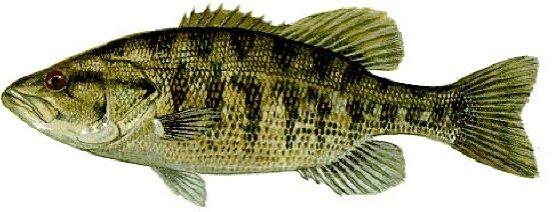
The Suwannee Bass (Micropterus notius) is a distinctive member of the Centrarchidae family within the order Perciformes. This native Florida species is characterized by its olive to brown coloration with dark vertical blotches and eye-catching turquoise-blue highlights around the cheeks and belly area. In Winter Garden waters this November, these bass become particularly active as they feed heavily before winter temperatures set in.
Suwannee Bass Overview
This prized gamefish is one of the less common black bass species, sought after by anglers looking to catch Florida's native freshwater fish. Despite its smaller size compared to largemouth bass, the Suwannee Bass offers exciting fishing opportunities with its aggressive feeding behavior and tendency to put up a spirited fight when hooked.
Suwannee Bass Habitat and Distribution
Primarily found in clear, flowing waters of rivers, streams, and spring runs in north Florida and southern Georgia, with particular concentration in the Suwannee River system for which they're named. They prefer areas with rocky bottoms, limestone outcroppings, and submerged cover like logs and vegetation. In the Winter Garden area, they can be found in connected lake systems with flowing water and suitable structure.
Suwannee Bass Size and Weight
Typically ranging from 8 to 16 inches in length and weighing between 1 and 3 pounds. A trophy Suwannee Bass would be considered anything over 2 pounds, with the state record specimens rarely exceeding 4 pounds. Their compact size belies their fighting spirit, as they often feel larger than they are when hooked.
Suwannee Bass Diet and Behavior
These opportunistic predators feed primarily on crayfish, small fish, insects, and various aquatic invertebrates. They tend to be ambush feeders, holding near structure and darting out to capture prey. During fall months in Central Florida, they become particularly active, feeding aggressively to build reserves for cooler winter periods.
Suwannee Bass Spawning Season
Spawning typically occurs in late winter to early spring when water temperatures reach about 65-70°F. Males create and guard nests in sandy or gravel areas, often near protective cover. During November in Winter Garden, they're typically in their pre-winter feeding pattern, making them more aggressive and willing to strike lures.
Suwannee Bass Fishing Techniques
For consistent success with Suwannee Bass, small finesse presentations often work best. Try 3-4 inch soft plastic creatures or worms in dark colors like black/blue or green pumpkin, worked slowly around rock outcroppings and woody debris. Small spinnerbaits and crankbaits that imitate crayfish can also be effective, especially when worked along the edges of current breaks. In November around Winter Garden, focus on deeper structure adjacent to shallow feeding areas as the bass follow daily temperature fluctuations.
Suwannee Bass Is It Good to Eat?
While Suwannee Bass have firm, white flesh with a mild flavor similar to other black bass species, most anglers practice catch and release due to their limited range and special status as a Florida native species. Conservation efforts encourage releasing these fish to maintain healthy populations, especially considering their relatively slow growth rate and limited distribution.
Suwannee Bass Frequently Asked Questions
Q: What is the best bait for Suwannee Bass?
A: Small soft plastic crawfish imitations, tubes, and finesse worms in dark colors like green pumpkin or black/blue work exceptionally well. Live bait options include small crayfish or minnows when conditions are tough.
Q: Where can I find Suwannee Bass near Winter Garden?
A: Look for them in flowing sections of connected lake systems, particularly around rocky structure, limestone outcroppings, and fallen timber in clear water areas. The Butler Chain of Lakes and connected waterways can hold populations of these fish.
Q: Is Suwannee Bass good to eat?
A: While edible with firm white flesh, most anglers release Suwannee Bass due to their limited range and special status as a Florida native species. Conservation-minded fishing is recommended to preserve populations.
Q: When is the best time to catch Suwannee Bass?
A: Spring and fall offer prime fishing opportunities. In November around Winter Garden, they feed actively to build reserves for winter, making early morning and late afternoon prime times to target them.
Q: How can I identify a Suwannee Bass from other bass species?
A: Look for their distinctive turquoise-blue coloring on the cheeks and belly, dark vertical blotches on an olive-brown body, and a wide upper jaw that extends beyond the eye. They're typically smaller than largemouth bass found in the same waters.
Q: Are Suwannee Bass endangered?
A: While not federally endangered, they have a limited range and are considered a Species of Special Concern in Florida. Practicing catch and release helps ensure healthy populations for future anglers.